
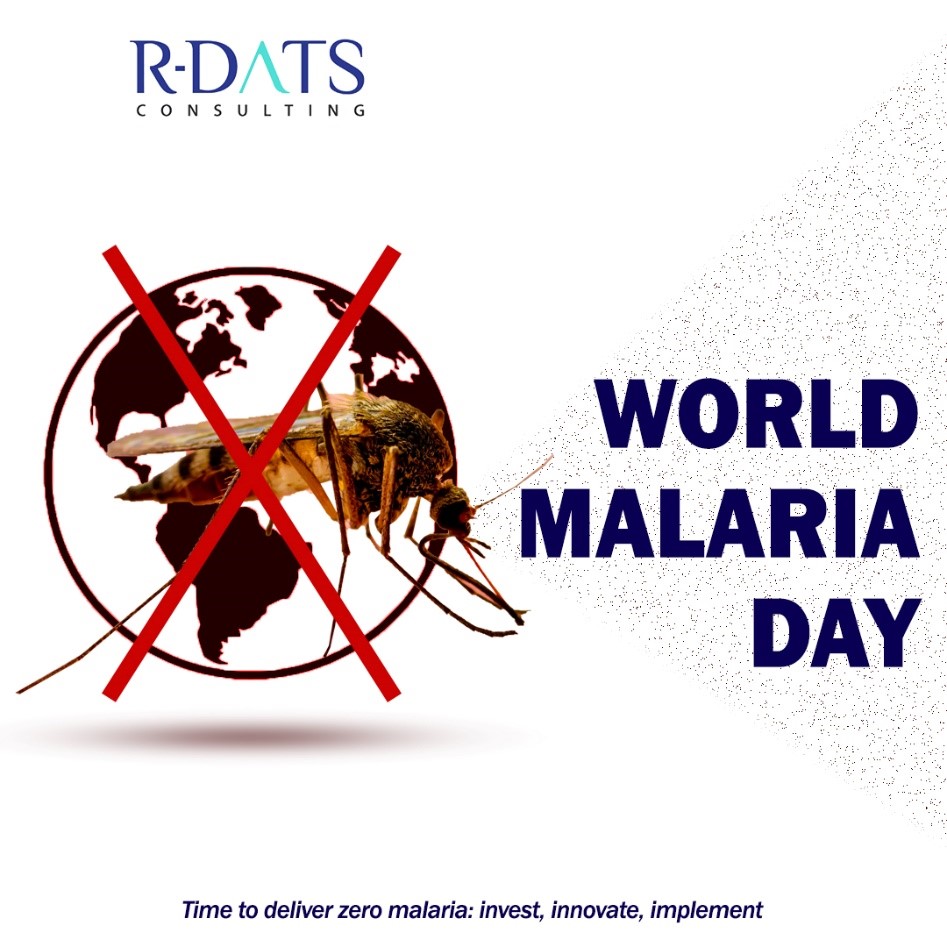
As we commemorate World Malaria Day 2023, the theme “Time to deliver zero malaria: invest, innovate, implement” reminds us of the progress made by several African countries in the fight against malaria. Malaria remains a significant public health challenge globally, particularly in sub-Saharan Africa, where it is responsible for an estimated 94% of global malaria cases and deaths. However, the World Malaria Report 2022 highlights some positive developments in malaria prevention in Africa, which offer a glimmer of hope.
In the last five years, several African countries have recorded significant reductions in malaria cases and deaths. These achievements have been attributed to increased access to and use of malaria prevention and control measures, stronger health systems, and improved commitment among key stakeholders. The countries include Senegal, Rwanda, Eritrea, Ethiopia, and Burkina Faso, among others.
Senegal’s success in malaria prevention is a shining example, with a 53% reduction in malaria cases and deaths since 2016. This reduction is due to increased coverage of long-lasting insecticide-treated nets (LLINs) and improved diagnostic capacity. Similarly, Rwanda has made remarkable strides, recording a 79% reduction in malaria cases and deaths since 2016, through the provision of LLINs to households, targeted IRS campaigns, and promoting community engagement and education programs to raise awareness of malaria prevention measures.
Eritrea’s significant progress in malaria prevention, with a 66% reduction in malaria cases and deaths since 2016, is attributed to strong political will and commitment to malaria prevention, coupled with effective community-based approaches. Ethiopia has achieved a 50% reduction in malaria cases and deaths since 2016, mainly through increased coverage of LLINs and access to prompt diagnosis and treatment. Burkina Faso has also made progress in malaria prevention, recording a 32% reduction in malaria cases and deaths since 2016, attributed to increased use of LLINs, targeted IRS campaigns, and effective case management.
These successes have been achieved through a combination of investment, innovation, and implementation. Governments, donors, and other stakeholders have invested in malaria prevention and control programs, including funding for LLIN distribution, IRS campaigns, and capacity building for health workers. Innovative approaches, such as community engagement and education programs, have been implemented, while the scaling up of new tools and technologies, such as rapid diagnostic tests (RDTs) and artemisinin-based combination therapies (ACTs), has improved malaria diagnosis and treatment.
Despite this progress, several African countries continue to face significant challenges in reducing the burden of malaria, and new threats, such as drug resistance and climate change, are emerging. The World Malaria Report 2022 highlights Nigeria and the Democratic Republic of Congo (DRC) as countries with the highest malaria burden globally, accounting for approximately 40% of global malaria cases and deaths in 2020.
In Nigeria, the number of malaria cases has remained high, with an estimated 61 million cases in 2020. In the DRC, the number of malaria cases has increased since 2016, with an estimated 31 million cases in 2020. These challenges are driven by a range of factors, including weak health systems, limited access to malaria prevention measures and prompt treatment, and ongoing conflict and instability.
However, there is hope. Both Nigeria and the DRC have developed national malaria strategic plans and have made commitments to scaling up malaria prevention and treatment efforts. The 2023 theme “Time to deliver zero malaria: invest, innovate, implement” highlights the need to intensify efforts to end malaria. Investment, innovation, and implementation are key to achieving the goal of zero malaria.
There is a need to increase investment in malaria prevention and treatment programs, as well as in research and development of new tools and approaches. We also need to develop innovative approaches to malaria prevention and diagnostics, and effective implementation of existing tools and strategies.
We call on governments, donors, civil society organizations and individuals to join hands in this effort. Together, we can deliver zero malaria in Africa and save countless lives.
R-DATS is a research, evaluation, data collection, and statistical services firm that supports organizations, non-profits, businesses, government ministries and agencies in gathering reliable data and generating strong evidence for impact and improved policy decisions.